
Managing Multi-Location Meetings in Jakarta Without Losing Time
Last Updated on 29 April 2026
For many business visitors, meetings in Jakarta are rarely confined
to a single building or district.
A typical schedule may include discussions in central business
areas, followed by appointments in West Jakarta, North Jakarta, or
even locations in the wider metropolitan region such as Tangerang,
Bekasi, or Depok.
Without proper planning, valuable time can quickly be lost to
traffic and inefficient routing—especially when managing multiple
locations without a structured approach to transportation.
This reflects the broader context outlined in our guide to
what to expect on your first business trip to Jakarta
where timing, traffic patterns, and coordination play an important
role in daily schedules.
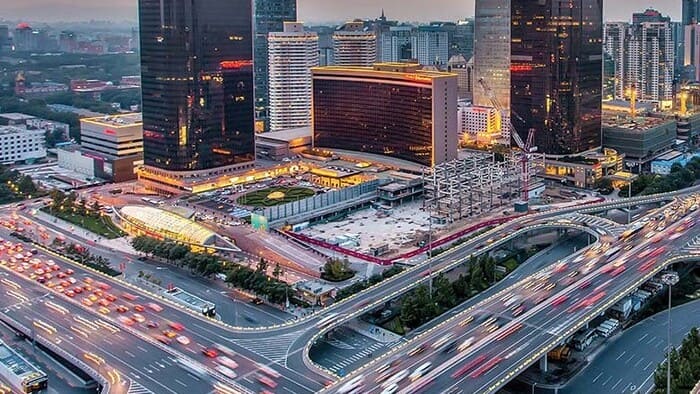
Jakarta Is Not a Single Business District
Unlike cities where commercial activity is concentrated in one
central zone, Jakarta operates across multiple business areas.
Corporate offices are commonly located in Sudirman–Thamrin,
Kuningan, West Jakarta, North Jakarta, and industrial zones such as
Cikarang.
Because these areas are geographically spread out, even well-planned
schedules require careful travel consideration.
Understanding this early helps business travelers structure their
day more effectively, especially when planning meetings across
multiple districts.
Sequence Matters More Than Quantity
It is possible to attend multiple meetings within a standard
business day. However, efficiency depends less on the number of
meetings and more on how they are arranged.
Grouping appointments within the same area before moving to another
district can significantly reduce travel time.
For example, scheduling morning meetings in Sudirman followed by an
afternoon visit to Cikarang is far more efficient than moving back
and forth between locations.
A well-planned sequence helps maintain a smoother flow throughout
the day. However, even with good sequencing, coordination between
locations remains critical — especially when traffic conditions
shift throughout the day.
Transitions Between Districts Require Planning
Moving between central Jakarta and surrounding areas—particularly
Tangerang, Bekasi, Depok, or Cikarang—often involves extended travel
time.
Traffic conditions, peak hours, and toll road usage all influence
journey duration.
In practice, travel between Jakarta’s central districts and
industrial zones can take 1–2 hours or more, depending on timing.
Without proper planning, this can quickly disrupt a full day of
meetings.
Experienced business travelers manage this by allowing buffer time
between appointments and avoiding overly tight schedules.
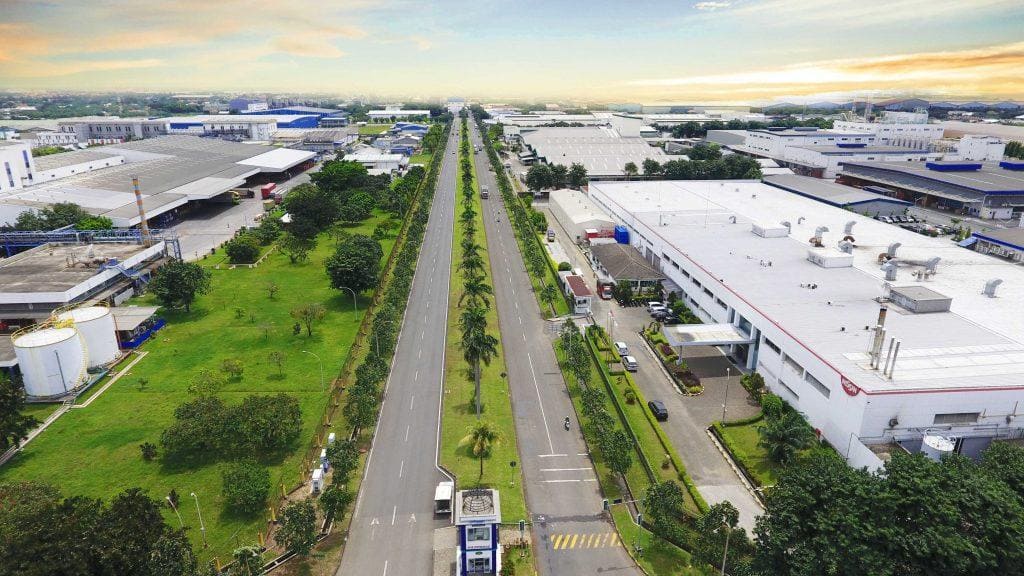
For factory visits or site inspections outside central Jakarta, it
is often more effective to dedicate a separate day to allow
sufficient time for travel and on-site discussions.
This approach helps maintain punctuality, reduces
unnecessary stress, and keeps the overall schedule more predictable.
From Airport Arrival to Final Meeting
Planning should begin from the moment you arrive.
Arranging airport pickup allows for a direct transfer to your hotel
or first meeting, avoiding delays after landing.
Departure planning is equally important. Allowing sufficient time
for travel to the airport helps avoid last-minute pressure caused by
traffic conditions.
When arrival, daily movements, and departure are planned together,
the entire trip feels more structured and controlled.
The Value of Coordinated Transportation
For business travelers managing meetings across multiple districts, transportation becomes part of the day’s planning—not just a way to get from one place to another.
Having a dedicated vehicle available throughout the day allows for:- Direct transfers between locations
- Flexibility if meetings run longer than expected
- Consistent movement without waiting for new bookings
This reduces logistical distractions and helps maintain a steady flow throughout the day. For this reason, many business travelers choose to arrange a car rental with driver in Jakarta to ensure continuity across their schedule.
Maintaining Focus Where It Matters
The purpose of a business visit is to conduct meetings
effectively—not to manage transportation logistics.
By planning routes in advance and structuring appointments
realistically, business travelers can focus on discussions,
decision-making, and outcomes rather than the journey between
locations.
Manage Your Transitions Between Districts Efficiently
As business schedules become more structured and involve multiple
locations, the way transportation is arranged plays a critical role
in overall efficiency.
What often impacts the day is not the meetings themselves, but how
smoothly the transitions between them are managed.
For business travelers handling multiple districts within a limited
timeframe, having transportation planned in advance helps maintain
control throughout the day.
Plan Your Transportation Around Your Schedule Align Transportation With Your Schedule
When your itinerary includes multiple meetings across different
districts, planning transportation in advance helps reduce delays
and maintain a more consistent schedule.
Allowing realistic travel time between locations and organizing
routes ahead of time can significantly improve overall efficiency
during your visit.
If you have a confirmed schedule and require coordinated transport
between multiple locations, arrangements can be made based on your
itinerary.
- Email: gisrental@gmail.com